When Art Direction Becomes a Set of Rules
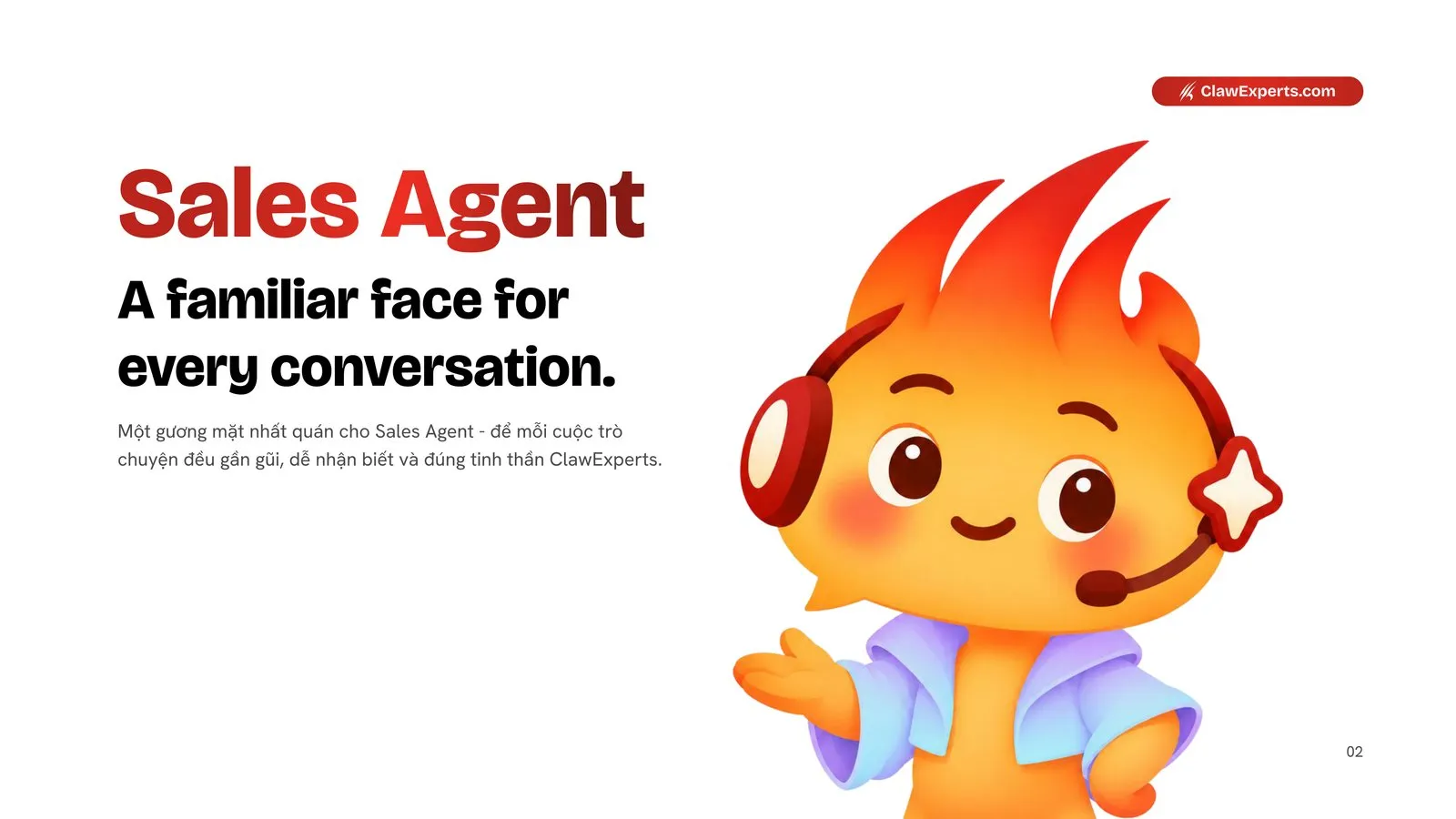
ClawExperts was built to run many different AI agents. Sales Agent is only one of the first. That created a visual problem early on: each agent needs its own personality so people can tell them apart, yet standing side by side, they all have to clearly belong to the same product. If every agent were designed as an independent character, the system could be very charming in its first versions and slowly lose control as the number grew. So before thinking about what the next agent would look like, I started from a different question: What must never change? A small set of rules came out of that. Each agent gets a single accent color of its own, while the background, materials, line work and image structure stay shared. Mascots can change accessories, expressions and personality, but they are all built from the same shape DNA taken from the ClawExperts identity. Expressions aren’t just decoration either. They are tied to real states in the product. Even when something goes wrong, the character doesn’t overreact, because the interface’s job in that moment is to help people understand what is happening, not to make the situation feel more serious than it is. Those principles then carried down into the interface and the design system, instead of stopping at a nice guideline page. This was also one of the bigger shifts in how I see Art Direction. In a product that is still growing, the work isn’t only deciding how something should look today. What matters more is setting few enough rules that the system still has room to grow, but clear enough that the next person can make the right decision without having to ask from the beginning. Perhaps that is when art direction truly becomes a system: when it keeps working even when the person who created it isn’t in the room.