Not to “See”, but to “Feel”
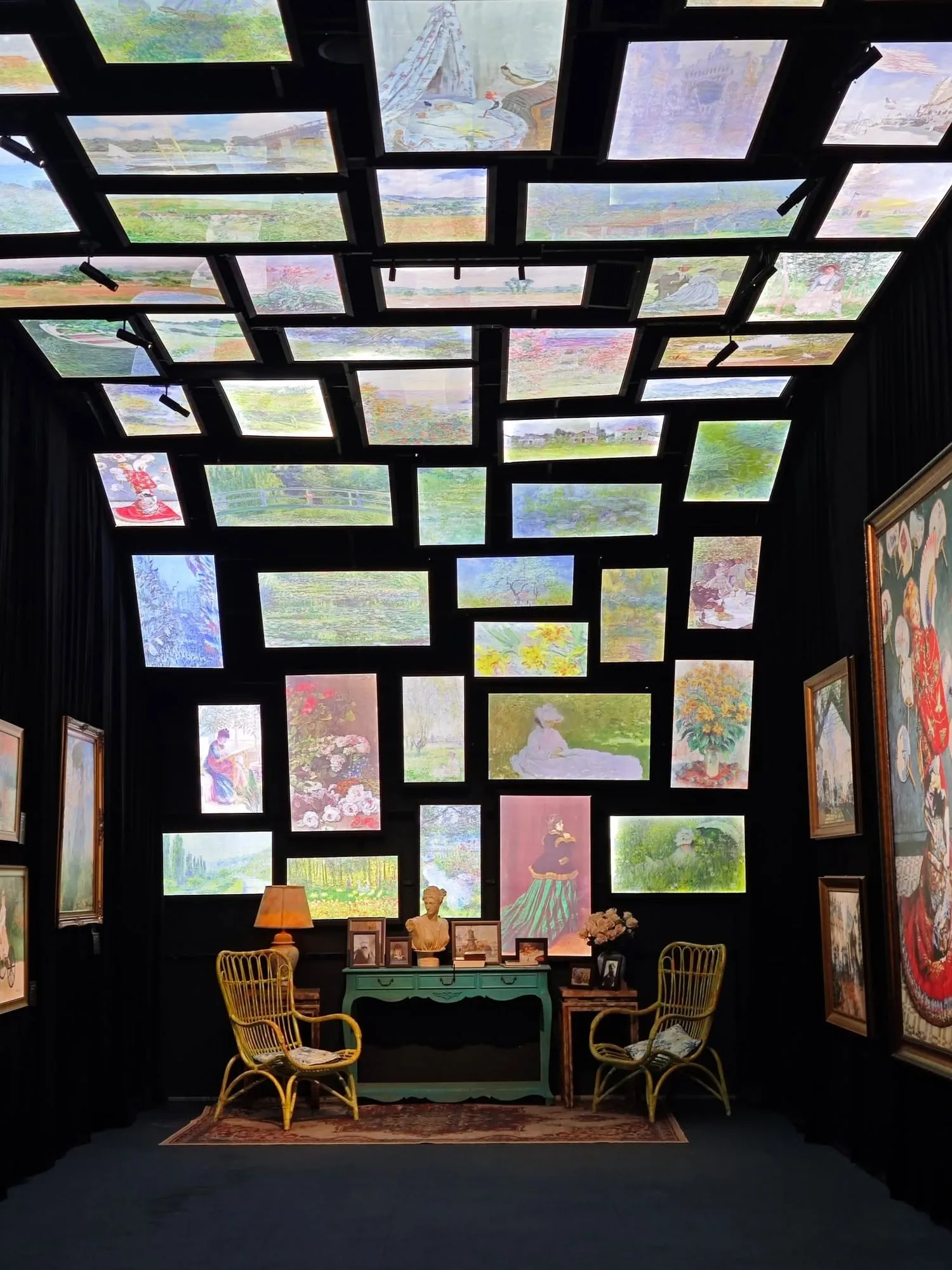
I had wanted to come here for quite a while. But Gigamall in Thu Duc is a bit far, so the plan just sat there for some time. Until one day I finally went, to see what an exhibition called Monet & Van Gogh Art Lighting Experience would do with paintings I already knew from books, screens and the times I happened to come across them online. At first I did not expect much. Projection art exhibitions always make me a little wary. A painting is a very particular object. It has a real size, real materials, real layers of paint, the real hand of someone who stood in front of it hundreds of years ago. When a painting is blown up onto a wall, set in motion, given music and light, it is easy for the show to become bigger than the work itself. And of course, an experience like that cannot replace standing in front of the real painting. But then I realised maybe I did not need to ask it to. It was simply retelling those paintings in another language. A language of space, light, sound and movement.
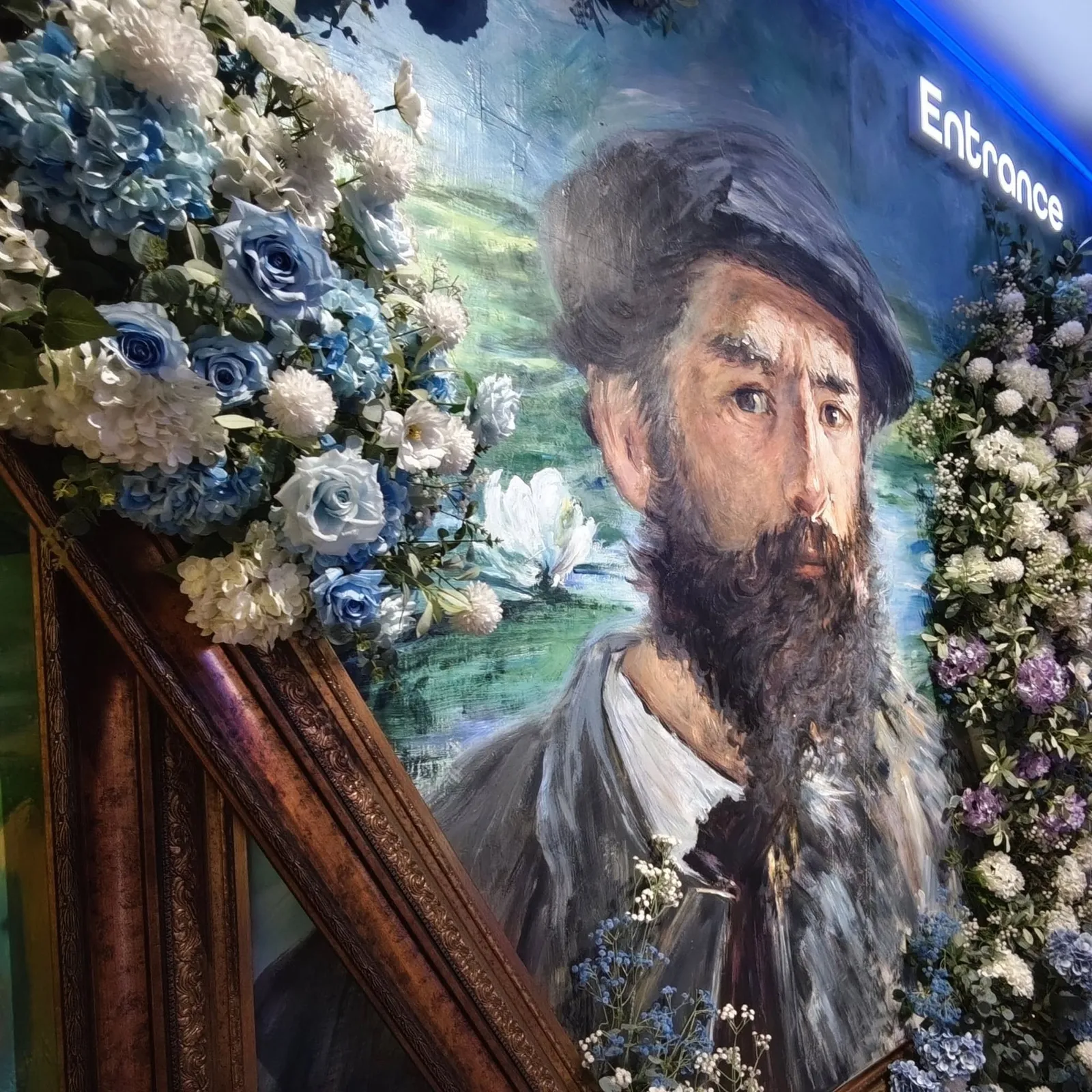
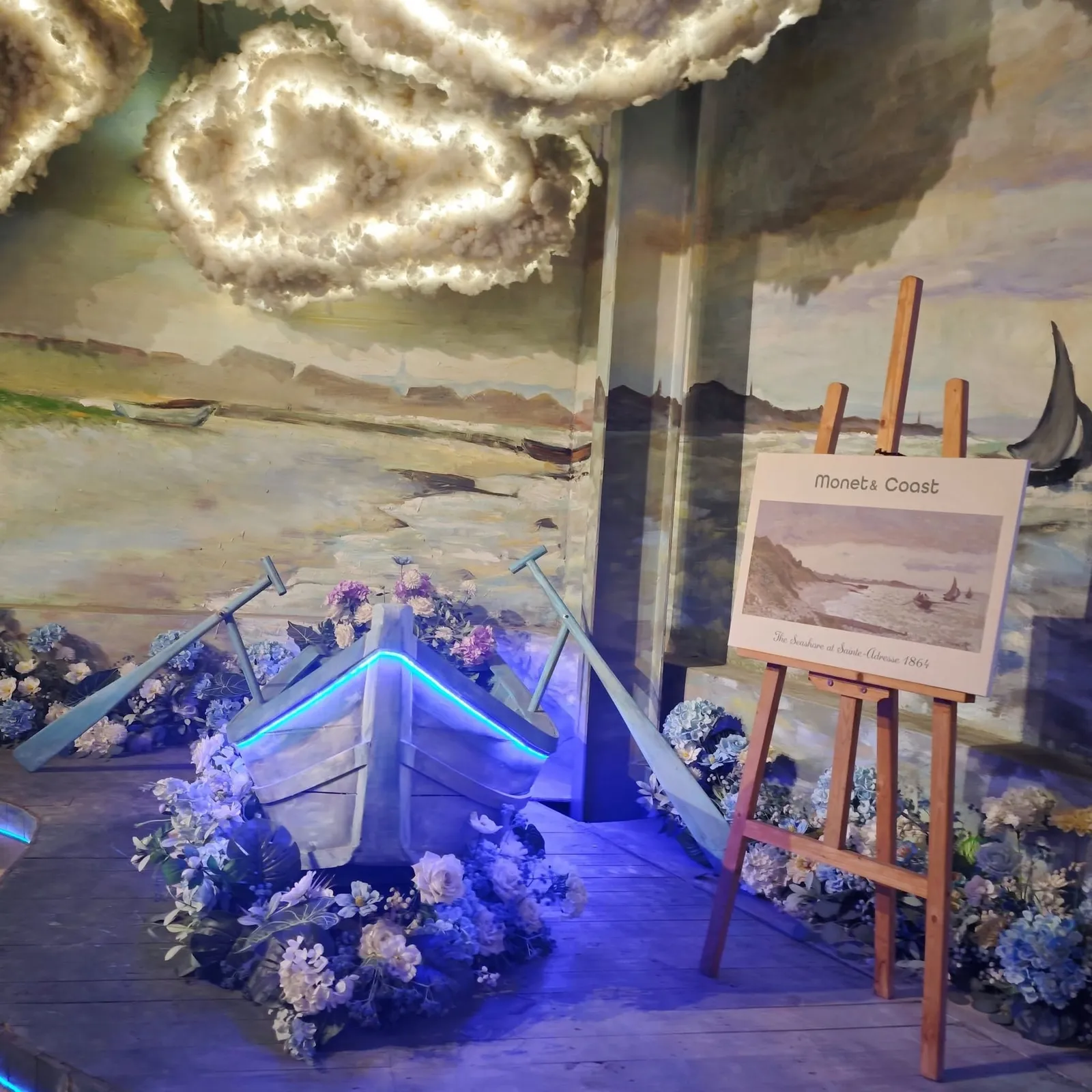
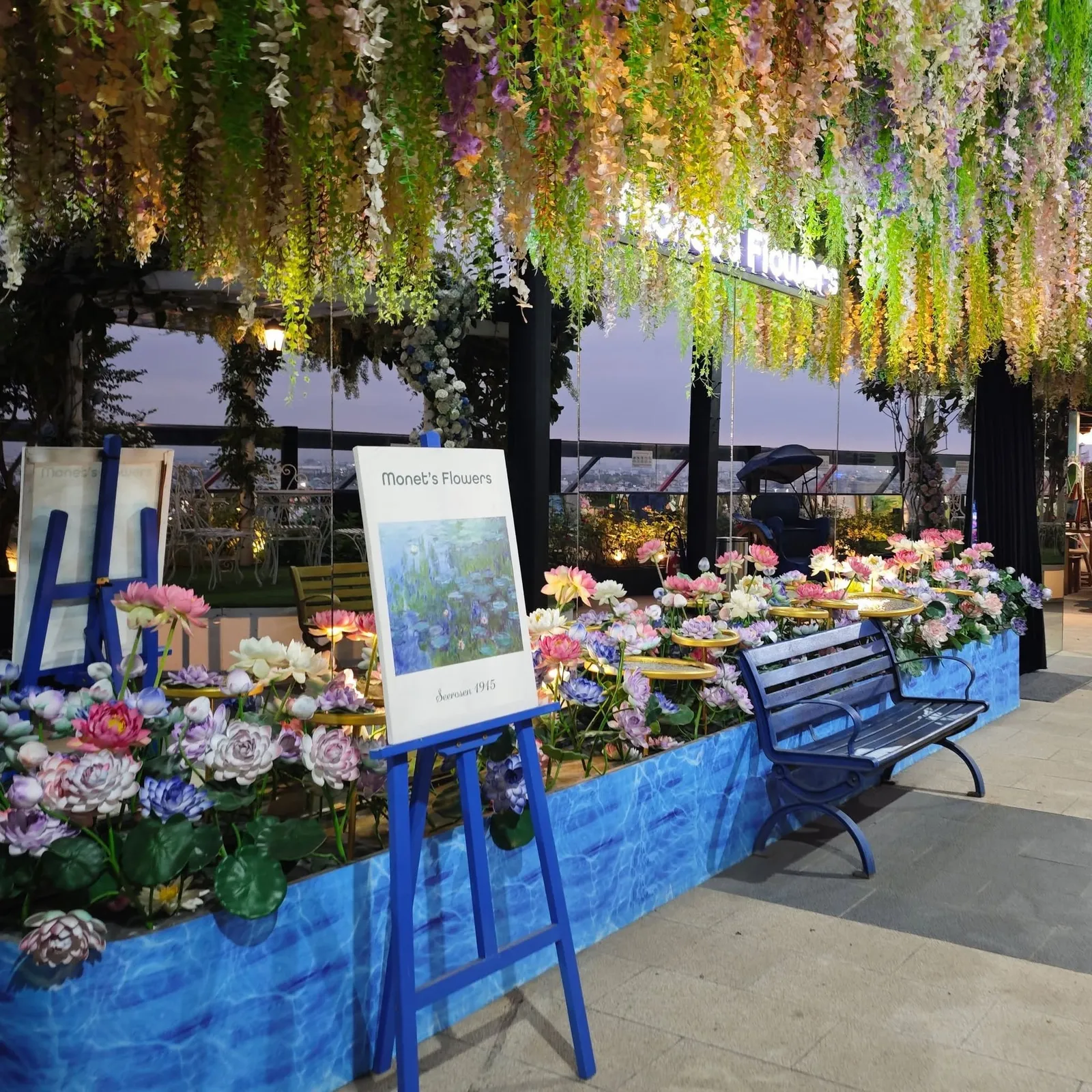
Monet is very quiet
One thing I have always loved about Monet: his paintings never seem to try to hold everything in place. Forms do not have to be clear. Edges can dissolve. A stretch of water is sometimes only light, a row of trees can turn into strokes of colour, and the sky melts into the scene until it is hard to tell what is an object and what is only air. It feels as if Monet did not paint a place. He painted what it felt like to stand there at one particular moment. What the light was like. Whether the air was cool or warm. Whether the water moved a little or was almost still. What the eye had just caught before everything changed again. When those patches of colour are stretched across an entire room, that feeling becomes something else. There is no longer a frame in front of me to observe from the outside. Colour spreads across the walls, runs around the corners, reflects off the floor. The viewer quietly becomes a very small part of the scene. I stood there for quite a while. Not to work out which painting was being shown. Just to watch the light change.
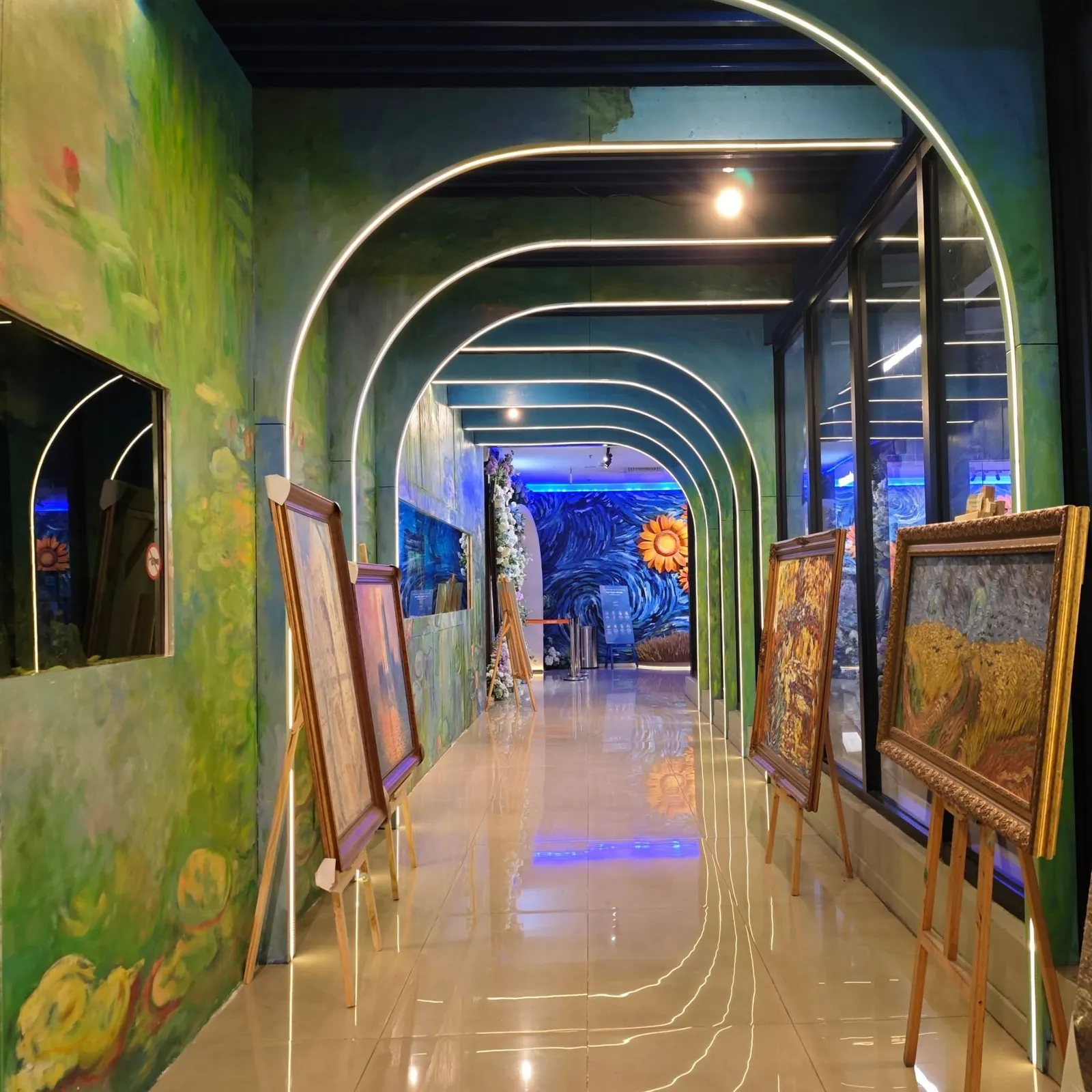
Van Gogh is not that still
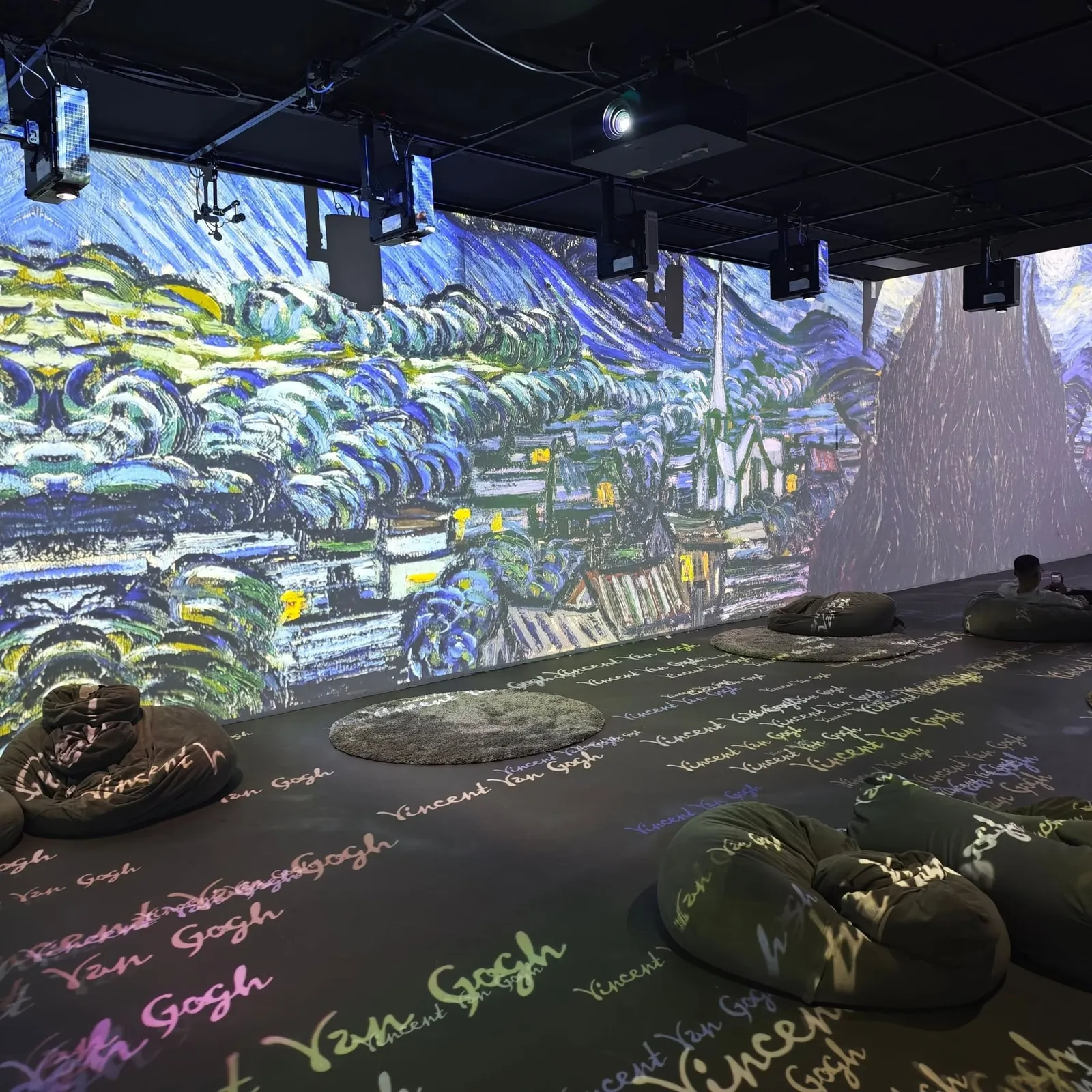
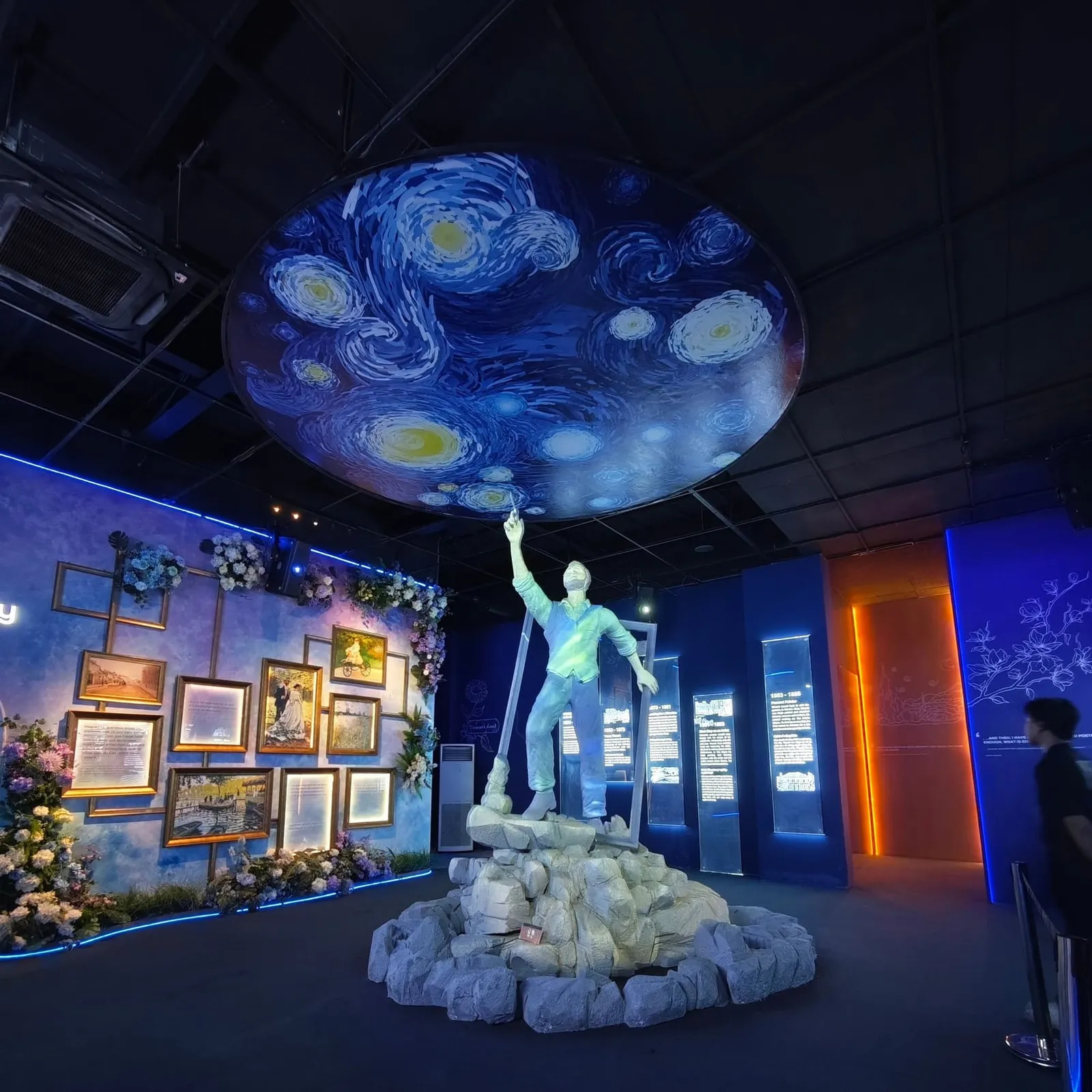
If Monet is like a long breath, Van Gogh has always had something fiercer for me. His colour does not just describe things. It almost carries a temperature. Swirling brushstrokes, skies in motion, yellows blazing next to deep blues. A field, a row of trees or a starry night all feel as if they hold more emotion than the scene itself ever had. When the paintings are blown up, that becomes even clearer. Brushstrokes that are only a small detail on a computer screen suddenly become lines of movement running around the room. At times I no longer noticed whether I was looking at a star, a cloud or a field. I only saw colour moving. And strangely, it pulled me along with it. I think that was when I understood better the title I wanted for this piece. Not to “see”. But to “feel”.
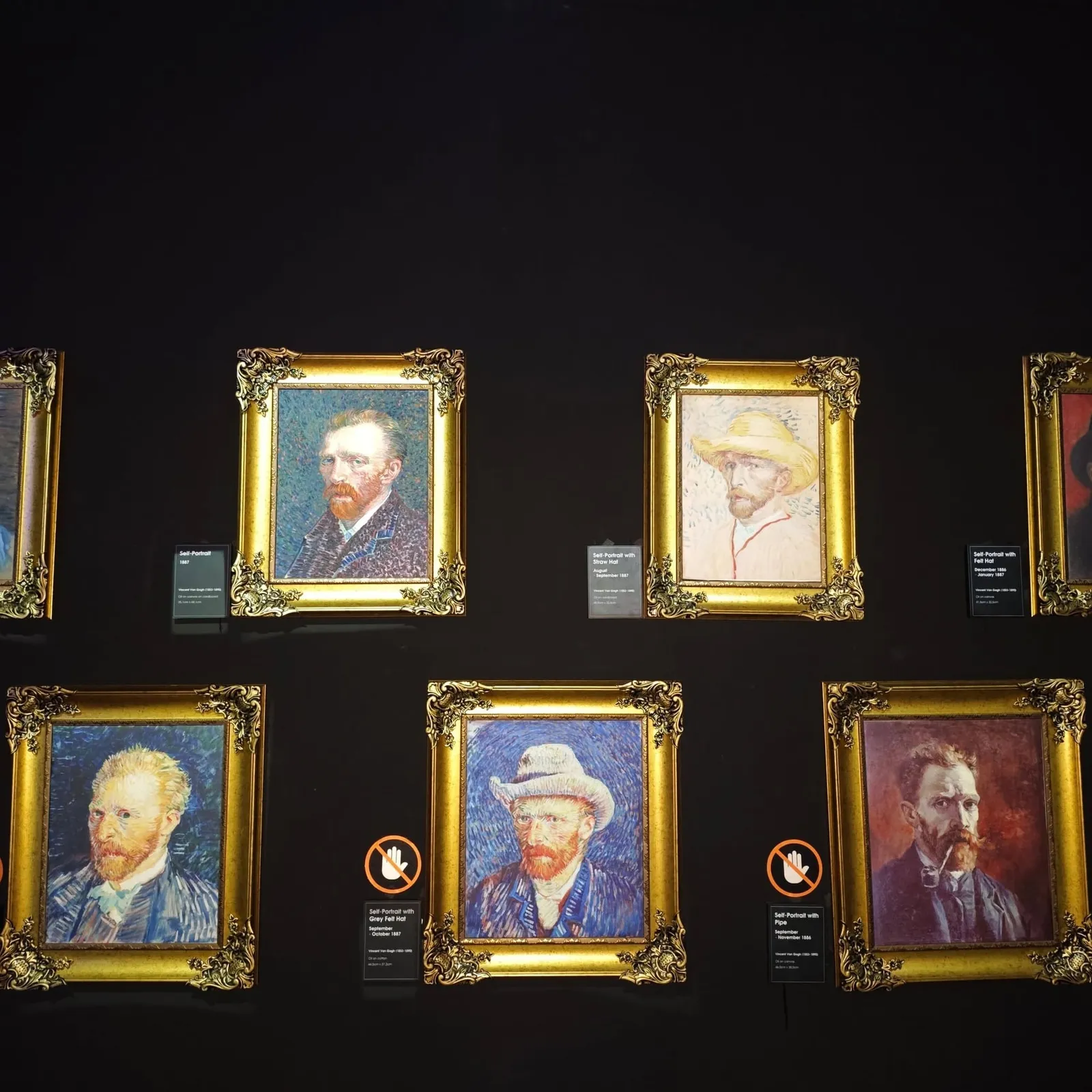
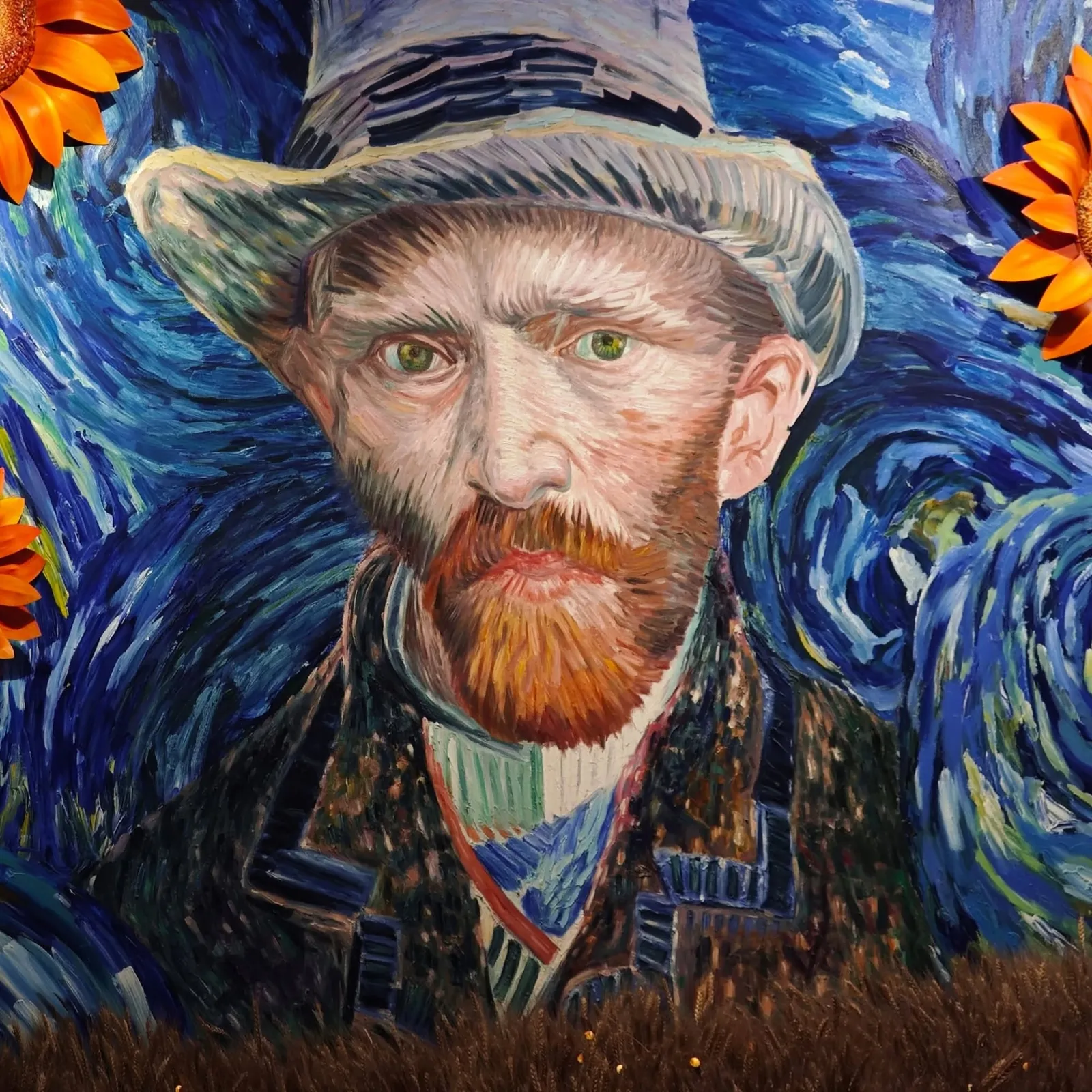
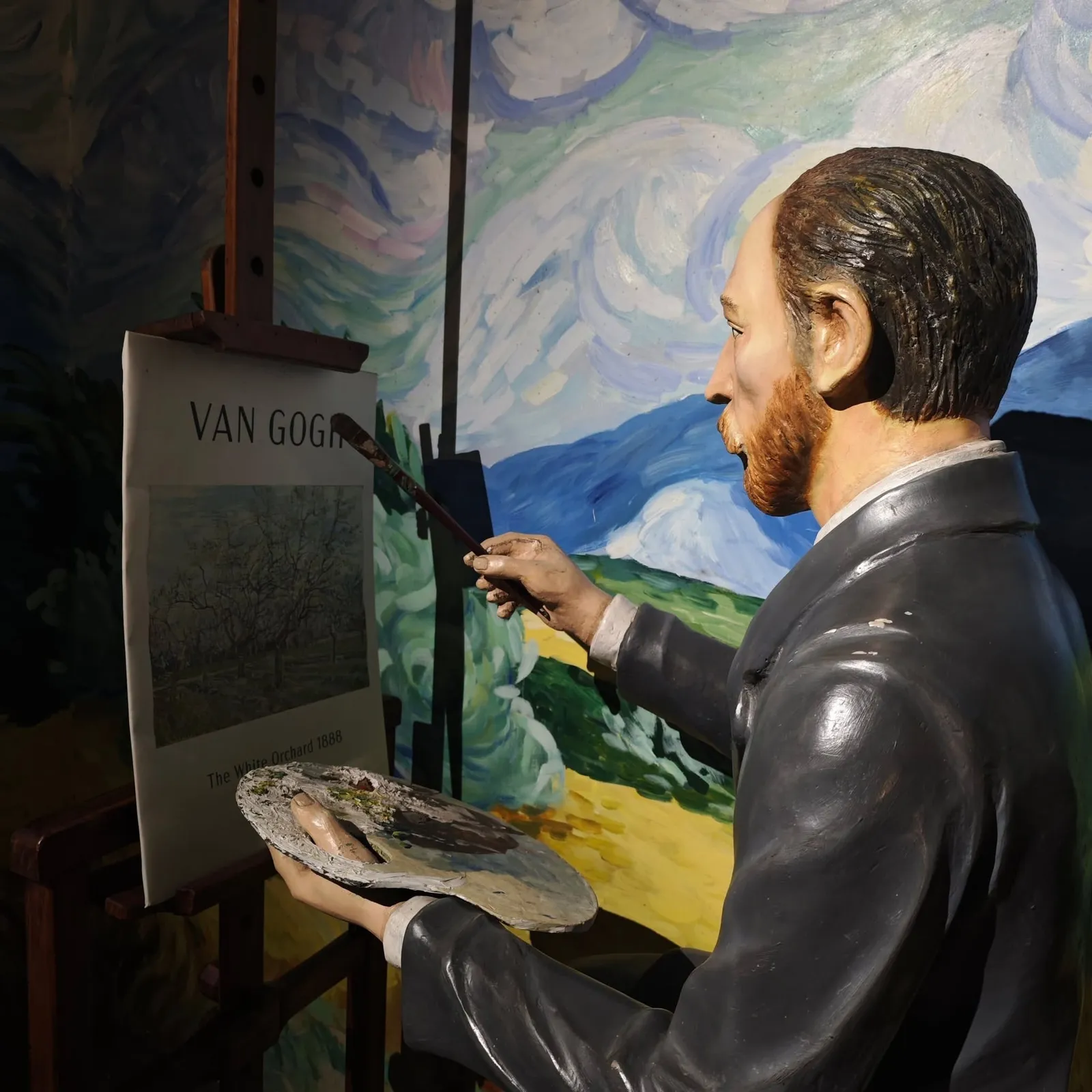
Some things the eye sees, but you have to slow down to feel
Working with images for a long time can create a rather bad habit. You look at everything and immediately analyse it. How it is composed. What colours. Where the light comes from. Why the focal point sits there. Why the empty space is on this side instead of that one. It is a professional reflex that is hard to switch off. But art sometimes needs the exact opposite approach. Not asking right away why it is beautiful. Not hunting for technique. Not trying to name the feeling. Just looking first. I like moments like that because they remind me that before images became work, they were simply the things that made me stop. A very deep blue. A streak of sunlight falling in exactly the right place. A patch of sky with nothing special in it that still looks beautiful however long you look. A painting that leaves you not knowing what to say. Perhaps those unexplainable things are the reason I fell in love with images in the first place.
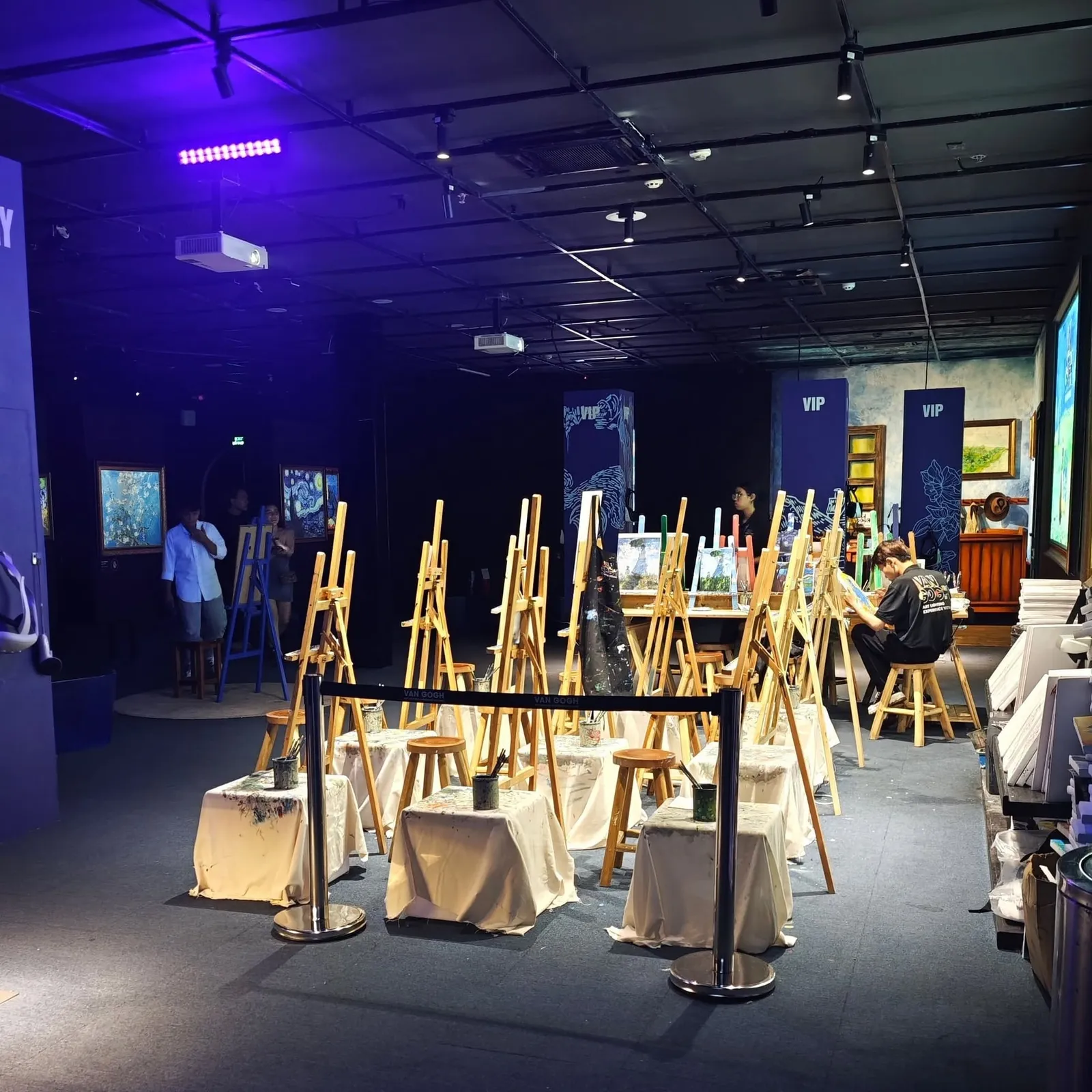
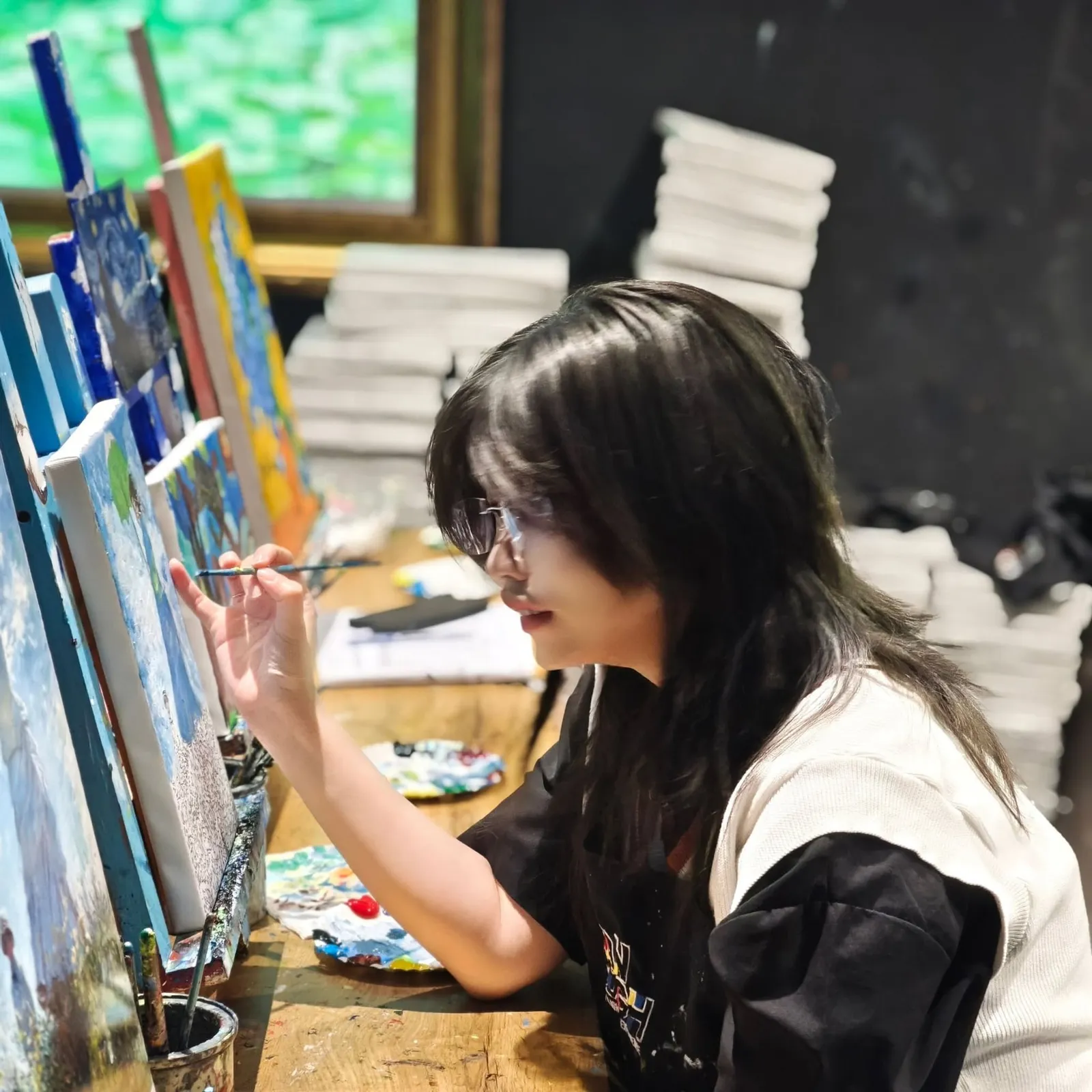
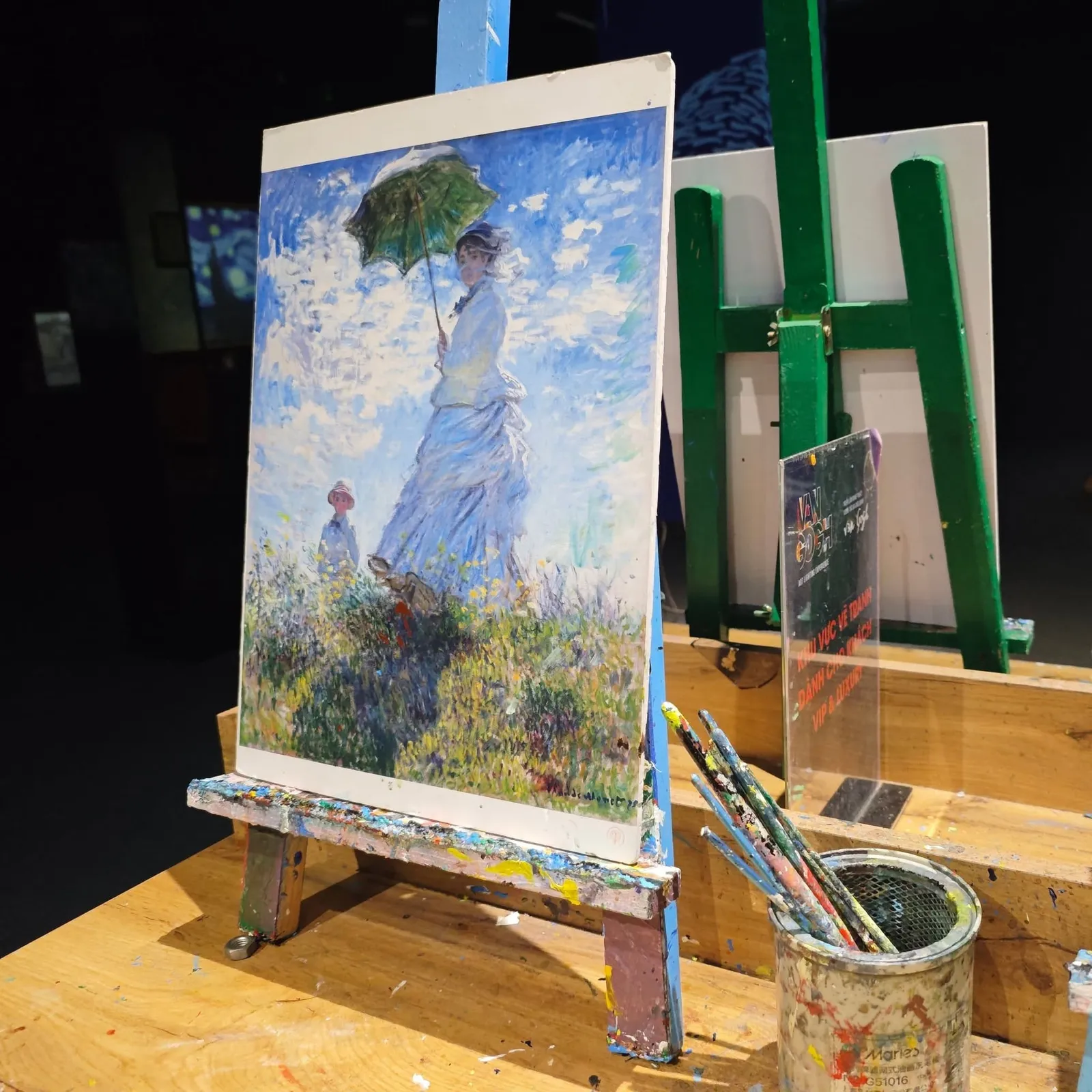
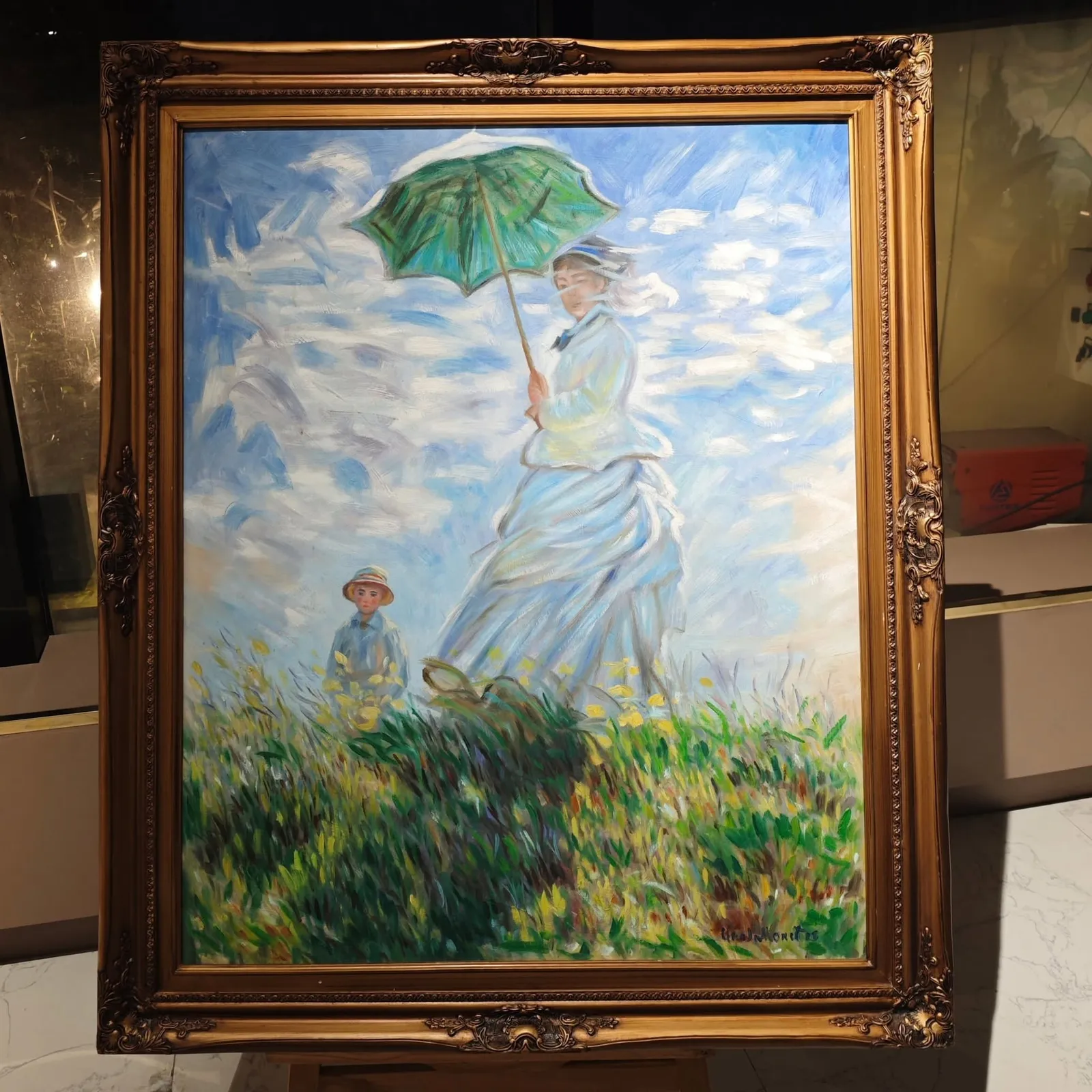
Technology can bring art closer, without having to replace it
What I liked most about this experience in the end was not that the paintings “came to life”. I think the paintings were already alive. It is just that each of us needs a different door to walk in through. Some people first meet Van Gogh in an art book. Some see Starry Night on a postcard. Some happen to hear his story and only then go looking for the paintings. And some might walk into a dark room, watch patches of blue and yellow move across four walls, and for the first time wonder who painted them. If technology can do that, I think it already means enough. Not turning painting into a bigger show. But opening one more way in.
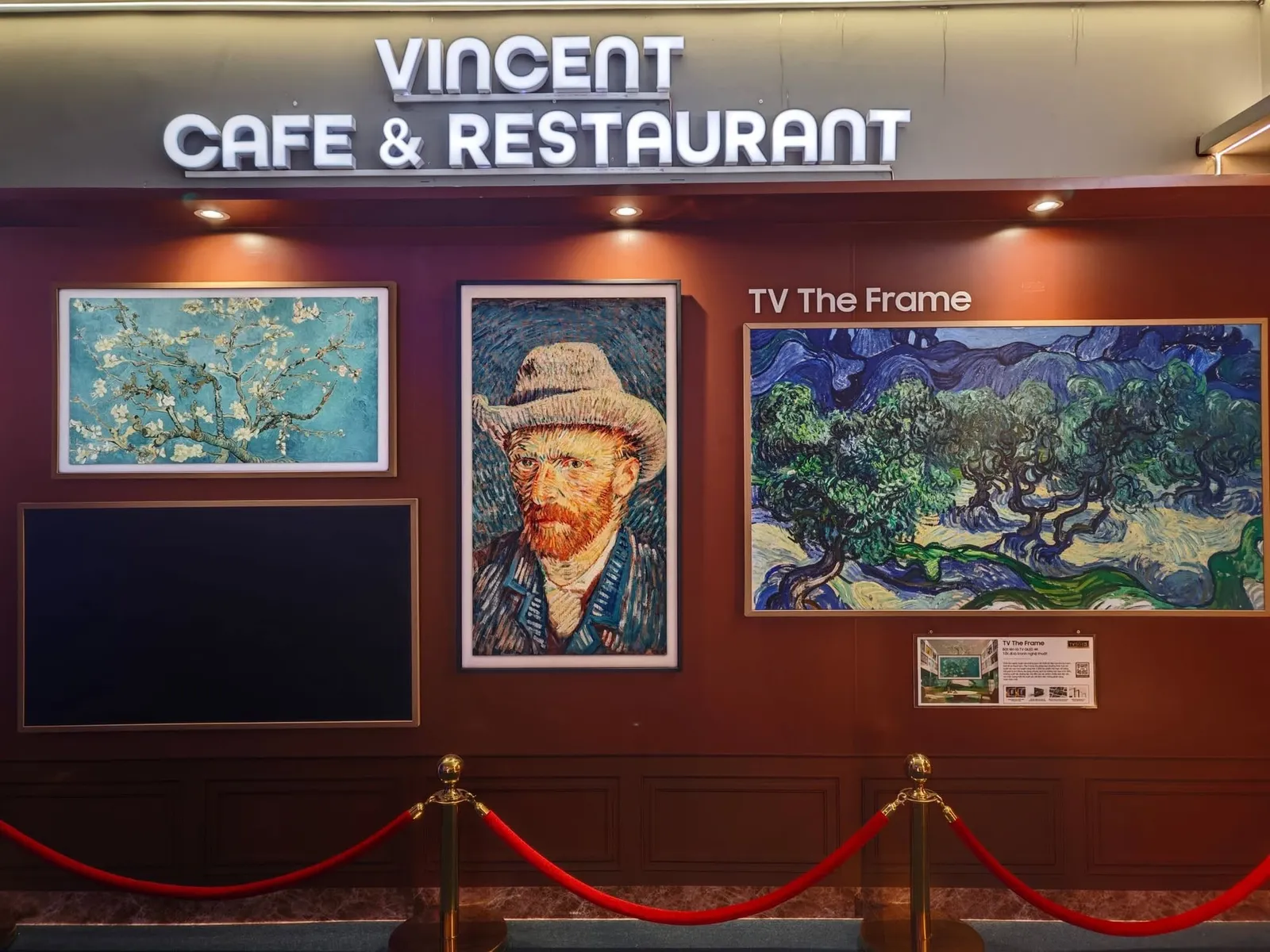
I walked out and everything felt a little slower
There was no big moment.
No feeling of having just seen something that completely changed how I look at art.
Only that after stepping out, I noticed I was paying more attention to light than usual.
Light on the walls.
The shadow of someone passing by.
A patch of colour that happened to appear on a pane of glass.
Very small things that, in a hurry, I probably would not have seen.
Perhaps a good art experience does not have to leave a very clear message.
Sometimes it only needs to adjust your pace a little.
To make you walk slower.
Look longer.
So if you ask me whether this exhibition is worth going to, I would probably give the same answer as before.
Yes.
But do not go just to see what Monet looks like blown up on a big wall. And do not go just to take a few photos and rush through the rooms.
Give it a little time.
Stand still in a corner if you like.
Let the colour run past your eyes.
Let the music drift by.
Let a familiar painting suddenly become slightly different.
You do not have to understand it.
You do not have to remember the name.
Just, at some moment, feel it.
04/2025.